
Scientists have a plan to help restore wildlife habitat in the American West by moving grazing cattle off public lands and reintroducing two controversial species: wolves and beavers.
In a recent study published in the journal Bioscience, ecologists and biologists focus on what they call the Western Rewilding Network – 70 million acres of federal public land spread across 11 western states. The plan is a response to the Biden administration’s call to conserve 30% of US land and water by 2030.
Ecologist George Wuerthner, executive director of Public Lands Media, co-author of the study, says the plan aims to address significant biodiversity loss in the United States by protecting the species’ habitats. The plan also provides a cost-effective way to store carbon in the ground that can withstand extreme weather events like wildfires in the West, hurricanes in the East and melting ice in the Arctic.
Wolves and beavers have massive impacts on their environment and other creatures, but are not always loved by humans who live nearby.
“Wolves and beavers are what we consider keystone species. Keystone refers to the idea of an arch and the last stone that goes in and holds the whole arch together,” says Wuerthner. “Some species are like that for their ecosystems.”
For decades, wolves have been one of the most debated topics in the West. By eating certain species of prey, wolves affect the entire ecosystem. In Yellowstone National Park, for example, the return of wolves has led to an increase in red fox populations as coyote numbers have declined.
As a top predator, wolves require large spaces, so the reintroduction of the species creates a large reserve area. Without wolves, cattle and some native species like elk can overgraze riparian areas, says Wuerthner.
“Riparian zones are the water-affected wetlands and vegetation along streams and waterways that are very important in western landscapes for all kinds of wildlife,” he says. “Up to 70% of western native species depend on riparian areas at some point in their life cycle, so recovering riparian areas is really critical to this whole idea of trying to bring back habitat for the wildlife.”
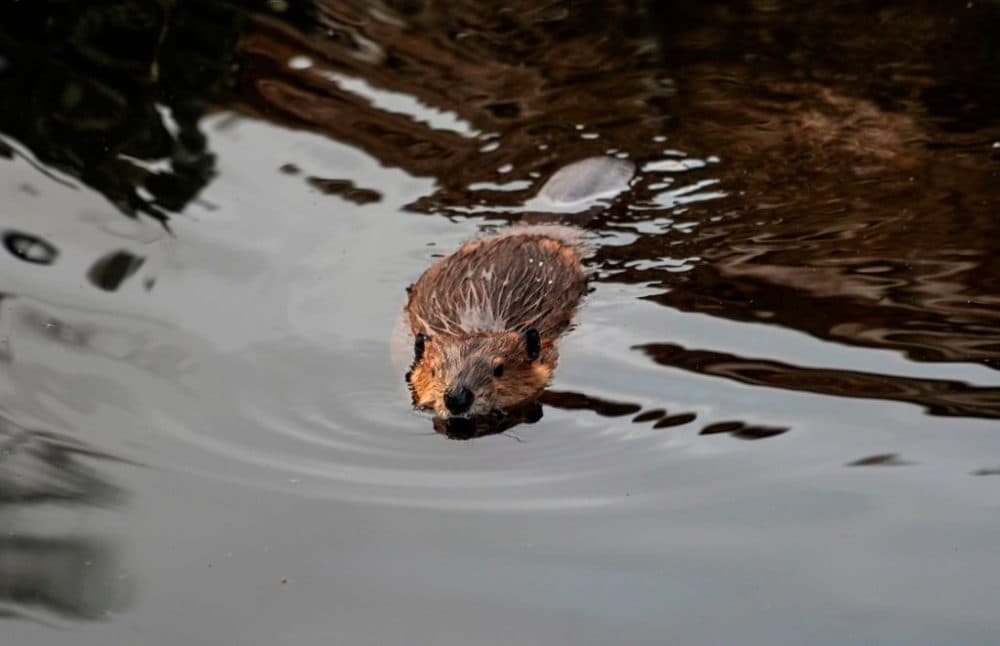
Humans often complain about industrious beavers, whose dams sometimes flood roads and areas people want to keep dry. These “ecosystem engineers” lived across the West at some point in history, says Wuerthner.
On federal lands, the impact on individuals from flood-causing beavers would be minimal, he says.
“[Beavers’] the dams slowed the flow of water, so we had less flooding,” he says. “The way the dams hold sediment has improved the water quality and creating these wetlands and protecting the repaired areas has provided all this habitat for wildlife.”
Reducing the amount of livestock on public lands would reduce the number of conflicts with species like wolves, Wuerthner says. This solution may seem attractive to ecologists and biologists, but ranchers may disagree.
In 2016, there was a confrontation with the federal government at Malheur National Wildlife Refuge in Oregon. And another dispute over cattle grazing areas on public land erupted on Bundy’s ranch in Nevada in 2014. Environmentalists like Wuerthner are offering a buyout for ranchers grazing on those public lands.
“The thing to remember is that this is public land and that means it belongs to all citizens. And any use by commercial industry, including the livestock industry, is a privilege,” he says. “It’s not something that’s guaranteed.”
Livestock make ranchers a marginal profit in the West because of the arid climate — which is also why the animals cause so much damage to the landscape, says Wuerthner. Ranchers can use the buyout money to retire or buy more private land to continue raising cattle, he says.
And the federal government spends more to administer pastures than it earns in fees, he says.
“Carbon storage is worth a lot more on this land,” says Wuerthner, “and that would be enhanced by removing livestock.”
Julia Corcoran produced and edited this broadcast interview with Peter O’Dowd. Allison Hagan adapted it for the web.
